Key Takeaways
- Keratitis is inflammation of the cornea that can result from infections (bacterial, viral, fungal, or parasitic), injuries, contact lens complications, or underlying conditions, potentially threatening your vision if left untreated.
- Keratitis symptoms include eye pain, redness, excessive tearing, light sensitivity, blurred vision, a feeling of something in your eye, and difficulty opening your eyelid due to discomfort.
- The causes of keratitis range from bacterial and viral infections to improper contact lens use, eye injuries, contaminated water exposure, and weakened immune systems that make the eye more vulnerable to infection.
- How long keratitis lasts depends on the underlying cause and treatment promptness, with mild cases resolving in days to weeks with proper care, while severe infections may require months of treatment, referral to an anterior-segment subspecialist, and can cause permanent corneal damage.
- Conestoga Eye provides comprehensive diagnosis and keratitis treatment for patients in Hershey and Lancaster, Pennsylvania, using advanced diagnostic tools and personalized treatment plans to protect your corneal health and vision. Contact us today if you're experiencing eye pain or vision changes.
What Is Keratitis?
Keratitis is inflammation of the cornea, the clear, dome-shaped surface that covers the front of your eye. The cornea plays a crucial role in vision by focusing light as it enters the eye, so any inflammation or damage can significantly impact your ability to see clearly. Keratitis can affect one or both eyes and ranges from mild irritation to a serious infection that threatens permanent vision loss.
The condition develops when the cornea becomes inflamed due to infection, injury, or other factors that compromise its protective barrier. Because the cornea contains no blood vessels and relies on tears and the aqueous humor for nutrients and oxygen, it's particularly vulnerable to infections when its protective mechanisms are disrupted. Understanding what keratitis is and recognizing its symptoms early enables prompt treatment that can prevent complications.
Keratitis Symptoms to Watch For
Common Early Warning Signs
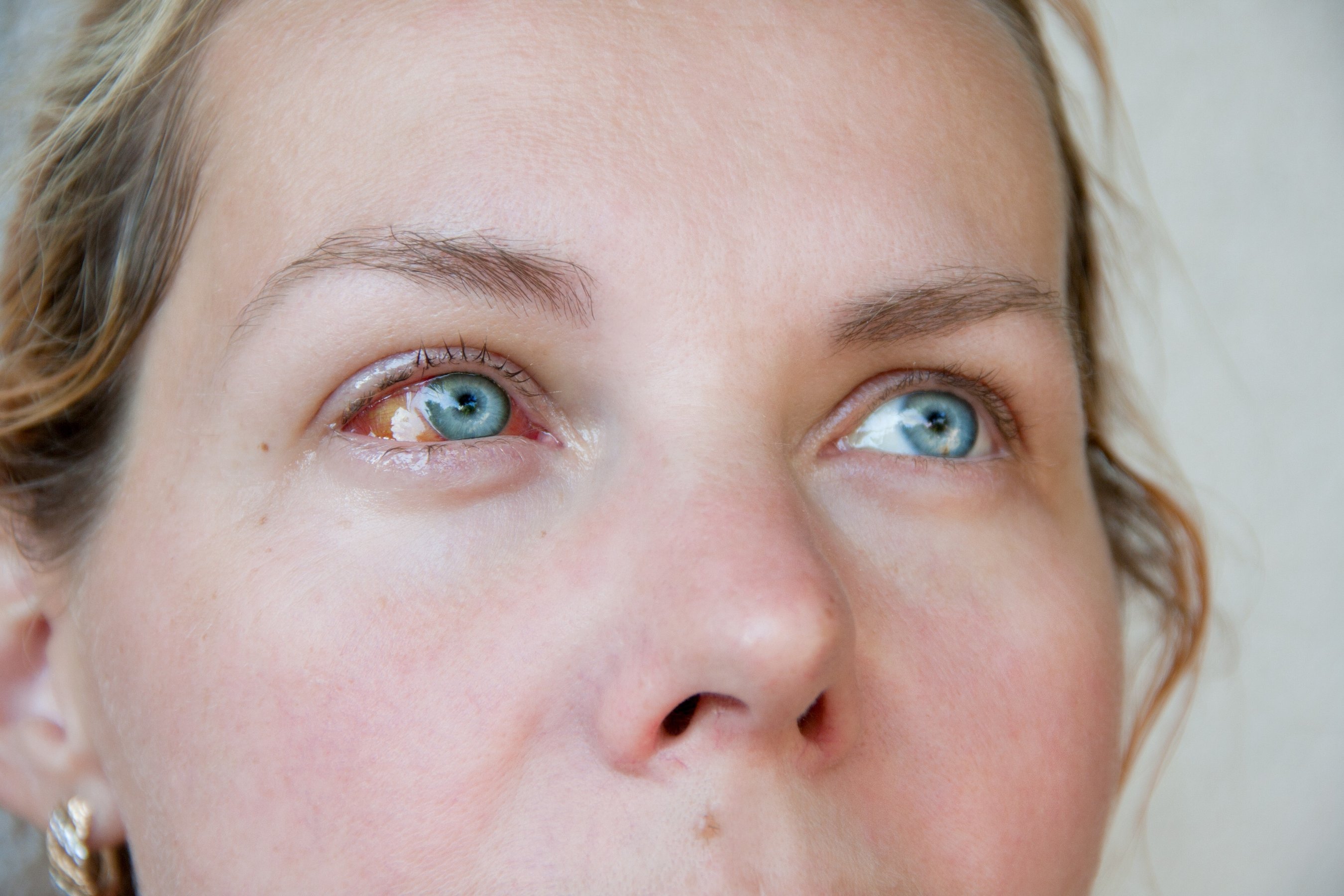
The most common keratitis symptoms include eye redness, pain, and excessive tearing. You may experience a gritty sensation or feel like something is stuck in your eye, even when nothing is there. Light sensitivity (photophobia) often develops, making it uncomfortable to be in bright environments or look at screens. Your vision may become blurred or clouded, and you might notice discharge from the affected eye.
When Symptoms Indicate a Serious Problem
Certain symptoms signal that keratitis requires immediate medical attention. Severe eye pain that doesn't improve with over-the-counter pain relievers, sudden vision loss or significant vision changes, and visible white spots on the cornea all warrant urgent care. If you experience these symptoms, contact Conestoga Eye immediately, as delays in treatment for serious keratitis can result in permanent corneal scarring and vision loss.
Understanding the Causes of Keratitis
Infectious Keratitis
Infectious keratitis results from bacteria, viruses, fungi, or parasites invading the cornea. Bacterial keratitis often occurs in contact lens wearers who don't follow proper hygiene practices or who wear lenses while swimming or sleeping. Pseudomonas and Staphylococcus bacteria are common culprits. Viral keratitis frequently results from herpes simplex virus (the same virus that causes cold sores) or herpes zoster virus (shingles). Fungal keratitis typically follows eye injuries involving plant material or occurs in people with weakened immune systems. Acanthamoeba keratitis, caused by a microscopic parasite, is strongly associated with contact lens use and contaminated water exposure.
Non-Infectious Keratitis
Non-infectious keratitis develops from physical injury to the cornea, such as scratches from foreign objects, chemical burns, or prolonged ultraviolet light exposure. Extended contact lens wear can deprive the cornea of oxygen, leading to inflammation. Dry eye syndrome creates an environment where the cornea becomes more vulnerable to irritation and damage. Vitamin A deficiency and certain autoimmune conditions can also trigger keratitis symptoms without infection.
| Keratitis Type | Common Causes | Risk Factors |
|---|---|---|
| Bacterial | Improper contact lens use, eye injury | Contact lens wear, corneal injury, weakened immune system |
| Viral | Herpes simplex, herpes zoster | Previous herpes infection, weakened immune system, stress |
| Fungal | Eye injury with plant material | Agricultural work, tropical climates, steroid eye drops |
| Parasitic | Contaminated water, poor lens hygiene | Contact lens wear, swimming/showering in lenses |
| Non-infectious | Dry eyes, UV exposure, injury | Contact lens overwear, dry eye syndrome, inadequate eye protection |
Keratitis Treatment Options
Initial Evaluation and Diagnosis
Diagnosing keratitis requires a comprehensive eye examination at Conestoga Eye. Your eye care provider will examine your cornea using a slit lamp microscope to assess the extent and location of inflammation. They may apply a fluorescein dye that highlights corneal damage under blue light. In cases of suspected infection, your provider may collect a sample from the cornea's surface to identify the specific organism causing the infection, allowing for targeted treatment.
Medical Treatment Approaches
Keratitis treatment depends on the underlying cause. Bacterial keratitis requires antibiotic eye drops, often started with broad-spectrum antibiotics before culture results are available, then adjusted based on the specific bacteria identified. For severe cases, antibiotic drops may need to be applied hourly, even throughout the night. Viral keratitis caused by herpes may be treated with antiviral eye drops or oral antiviral medications. Fungal keratitis requires antifungal eye drops, which may need to be used for weeks or months. Parasitic keratitis is particularly challenging to treat and may require a combination of antimicrobial drops used for an extended period.
Non-infectious keratitis treatment focuses on reducing inflammation and promoting healing. Your provider may prescribe steroid eye drops to control inflammation, but these are used cautiously and never for infectious keratitis without concurrent antimicrobial treatment. Artificial tears help maintain corneal moisture. Not wearing your contact lenses and allowing your eyes to heal is essential during treatment.
Home Care and Prevention
Supporting your recovery requires following your treatment plan precisely and practicing good eye hygiene. Never touch or rub your eyes with unwashed hands. If you wear contact lenses, discontinue use until your provider clears you to resume wearing them. Use only preservative-free artificial tears if your eyes feel dry. Protect your eyes from bright light by wearing sunglasses. Avoid swimming or using hot tubs while treating keratitis. Regular follow-up appointments allow your provider to monitor healing and adjust treatment as needed.
How Long Does Keratitis Last?
The duration of keratitis varies significantly based on its cause and severity. Mild bacterial keratitis often responds to treatment within one to two weeks, with symptoms gradually improving after the first few days of antibiotic drops. Viral keratitis may take several weeks to resolve, and herpes-related keratitis can recur periodically throughout your life. Fungal and parasitic keratitis typically requires longer treatment periods, often two to three months, and recovery may be incomplete if significant corneal damage has occurred.
Factors affecting healing time include how quickly treatment begins after symptom onset, the severity of corneal involvement, your overall immune system health, and adherence to prescribed treatment. Stopping treatment too early, even if symptoms improve, can allow infection to return and worsen. Some cases of keratitis, particularly those involving deep corneal infection, may result in permanent corneal scarring that affects vision even after the infection clears. This underscores why prompt treatment and careful monitoring are crucial.
Get Expert Keratitis Treatment at Conestoga Eye
Recognizing keratitis symptoms early and seeking prompt treatment protects your corneal health and prevents complications that could permanently affect your vision. Whether caused by infection, injury, or contact lens complications, keratitis requires professional evaluation and targeted treatment.
Conestoga Eye offers comprehensive diagnostic services and personalized keratitis treatment for patients throughout Lancaster and Hershey, Pennsylvania. Our experienced team uses advanced technology to identify the cause of your symptoms and develop an effective treatment plan. Schedule an appointment at Conestoga Eye today if you're experiencing eye pain, redness, or vision changes.
Frequently Asked Questions
What are the most common keratitis symptoms?
The most common keratitis symptoms include eye redness, pain ranging from mild discomfort to severe, excessive tearing, light sensitivity that makes bright environments uncomfortable, blurred or cloudy vision, a feeling of something in your eye, and discharge. Symptoms may develop gradually or suddenly, depending on the cause, and typically affect vision quality as inflammation progresses.
What causes keratitis to develop?
Keratitis can result from bacterial, viral, fungal, or parasitic infections that invade the cornea. Contact lens-related complications are a leading cause, particularly when lenses are worn while swimming, sleeping, or without proper cleaning. Eye injuries, exposure to contaminated water, prolonged UV light exposure, dry eye syndrome, and weakened immune systems can all contribute to keratitis development.
How long does keratitis last with treatment?
Mild bacterial keratitis typically improves within one to two weeks with antibiotic treatment, though complete healing may take longer. Viral keratitis often requires several weeks to resolve. Fungal and parasitic keratitis may need two to three months of treatment. Healing time depends on the cause's severity, how quickly treatment begins, and consistent adherence to prescribed medications.
Can contact lenses cause keratitis?
Yes, contact lenses are a significant risk factor for keratitis. Improper lens hygiene, over-wear beyond the recommended lens life date, wearing lenses while sleeping or swimming, and using contaminated lens solutions, can all lead to bacterial, fungal, or parasitic keratitis. Contact lens wearers should follow strict hygiene practices, replace lenses as directed, and never expose lenses to water to reduce keratitis risk.
How is keratitis different from conjunctivitis?
Keratitis affects the cornea (the clear front surface of the eye), while conjunctivitis (pink eye) affects the conjunctiva (the membrane covering the white of the eye and inner eyelids). Keratitis typically causes more severe pain and can threaten vision if untreated, whereas conjunctivitis usually causes milder irritation without vision threats. Keratitis requires more aggressive treatment and closer monitoring than most cases of conjunctivitis.
